Build Your Thermal Solution with Morton

Air & Liquid CoolingHeat sinks, heat pipe assemblies and liquid cold plates for industrial equipment.
Engineering Around Your NeedsMatch your heat load, space, mounting and operating conditions.
Traceable QualityDrawing revisions, inspection records and agreed acceptance criteria.
From Samples to SupplySupport for development samples, project orders and repeat production.
A Clear Next StepYour inquiry receives a response within one working day.

Start Your Thermal Project

Share your request below. We will respond within one working day to clarify your needs and the next step.

Optional. Choose a country, or enter a full number starting with +.

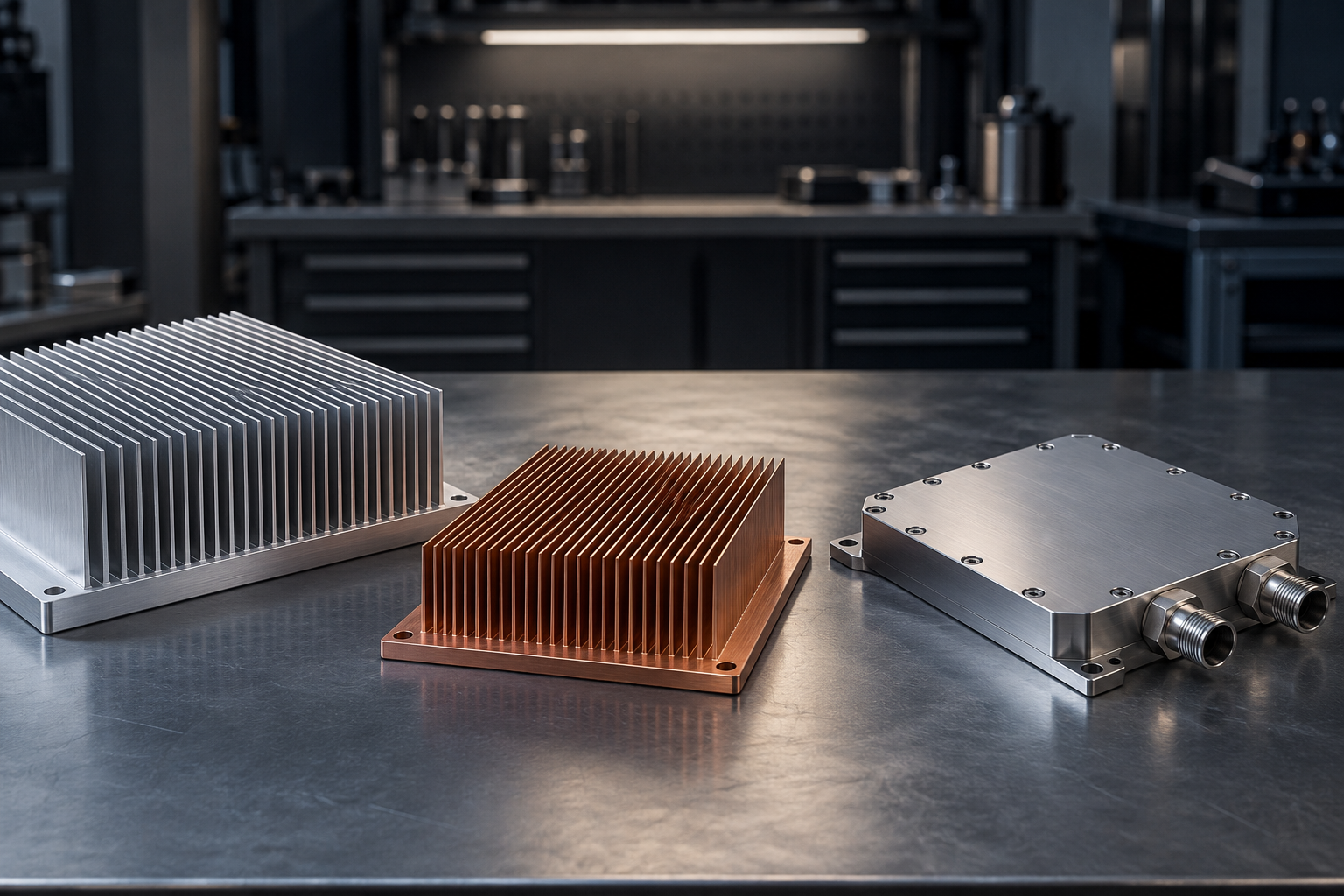
Photorealistic engineering workbench hero scene for thermal engineering company
morton | Thermal Engineering & Manufacturing

Custom Heat Sinks & Liquid Cold Plates, Engineered for Your Equipment

From thermal requirements to repeatable production, morton connects design, manufacturing and validation for industrial and electronic OEMs.

Air & liquid cooling / Drawing-to-production support / Traceable quality records

Bring us your heat load, envelope and production target.

Discuss Your Thermal Project

A Thermal Product Range Built Around Your Design

Choose the cooling architecture your equipment needs, with matching interfaces, installation hardware and production documentation.
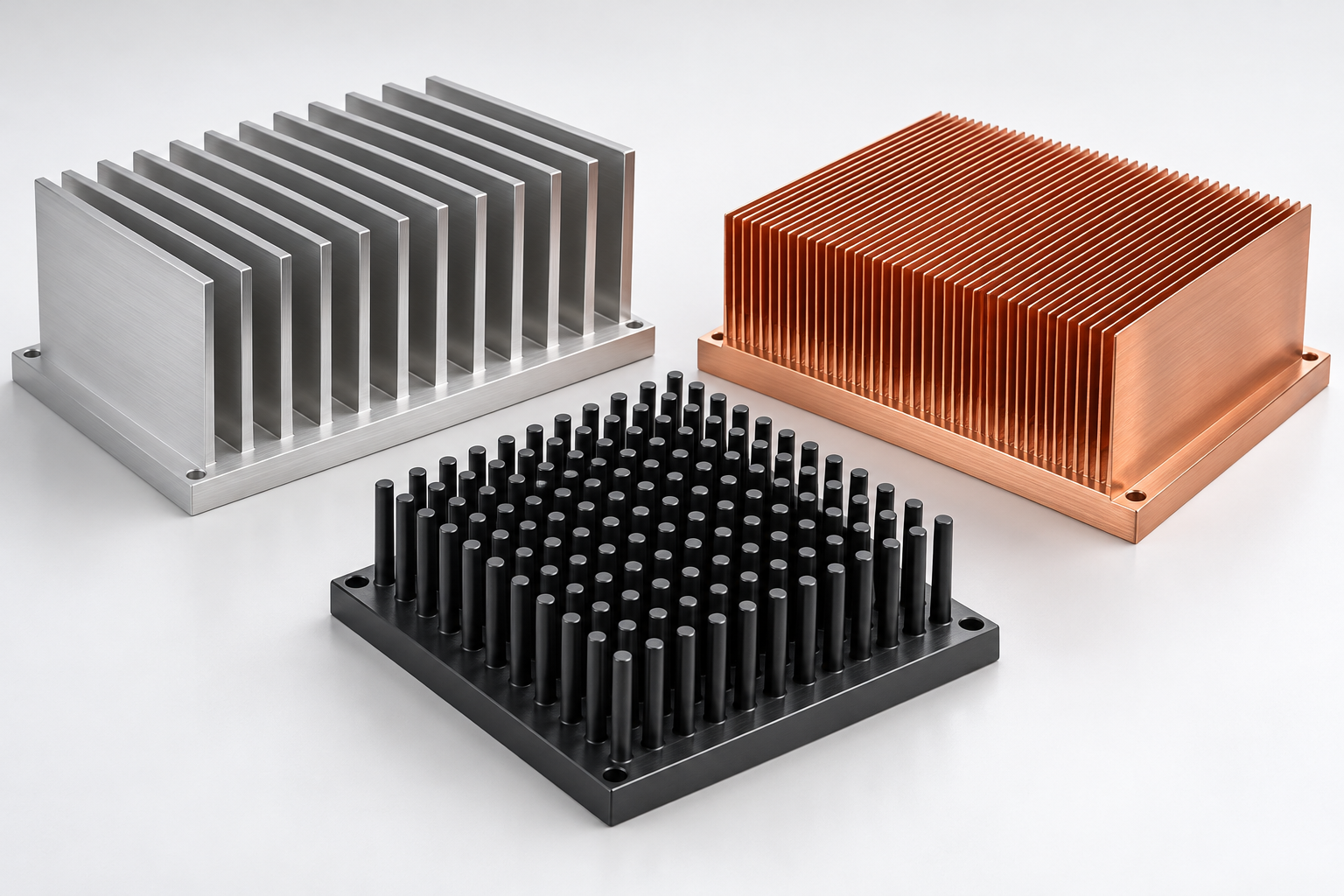
Studio product photography of thermal heat sinks including extruded, skived, and pin-fin assemblies

Heat Sinks

Extruded, skived, cold forged, die cast, CNC machined and assembled-fin designs match your airflow, footprint and cost target. For thin-sheet cooling with integrated mounting features, review stamped heat sinks.
Aluminum & copper · Custom mounting · Controlled finishes
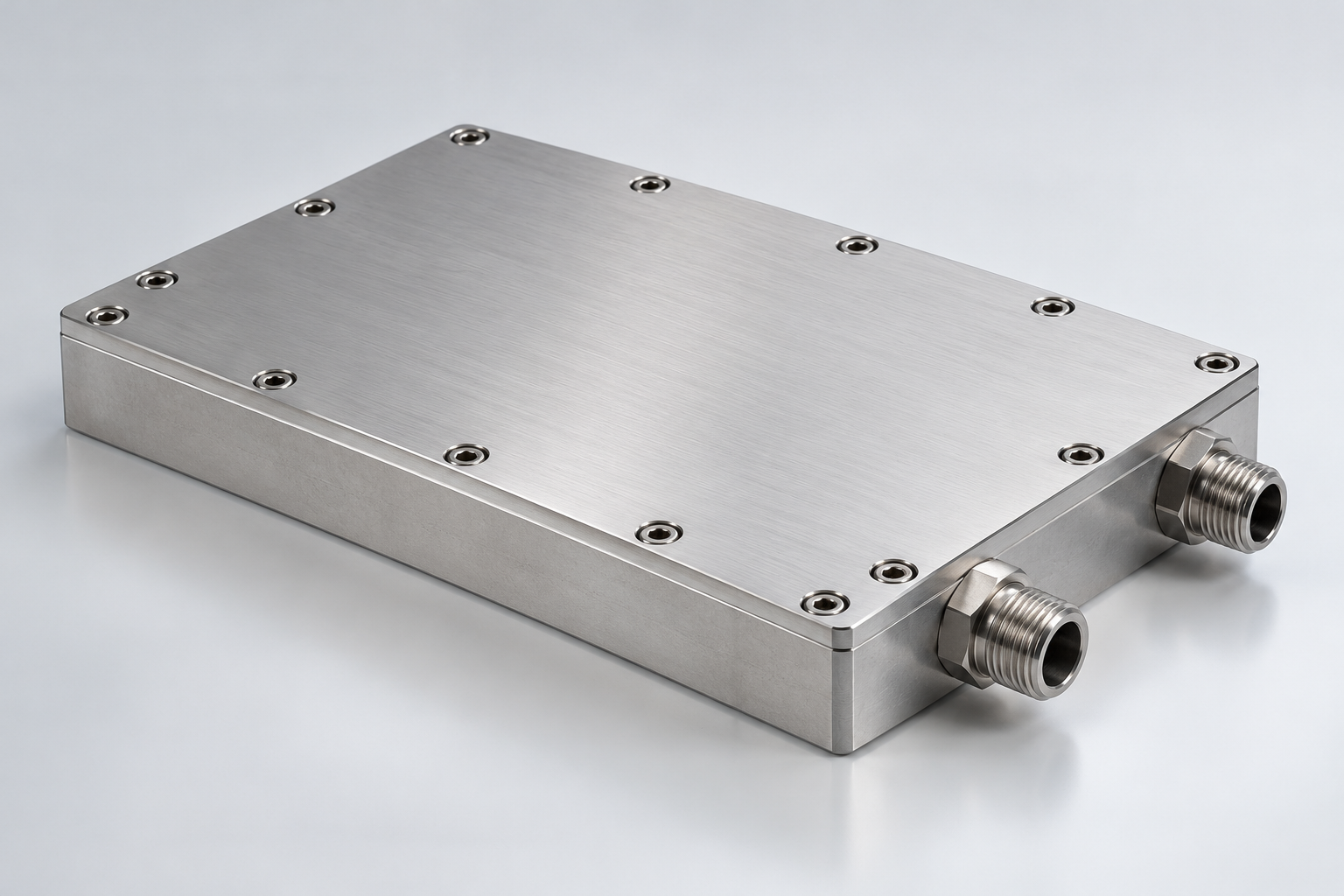
Studio product photography of precision machined aluminum liquid cold plate with fluid ports

Liquid Cold Plates

Tube-in-plate, microchannel, vacuum brazed and friction stir welded routes balance thermal resistance, pressure drop and material compatibility.

Custom channels · Port integration · Individual leak checks

Heat Pipe & Vapor Chamber Cooling

Move heat away from concentrated sources and spread it across the available fin area.

Hybrid Liquid-Cooled Heat Sinks

Combine liquid cooling for primary devices with airflow for auxiliary heat sources.

Thermal Enclosures

Bring heat spreading, mounting, sealing features and mechanical protection into one enclosure.

Thermal Materials & Hardware

Complete the contact path with selected pads, tapes, spring screws and mounting parts.

Not sure which product family fits your design?

Review My Product Requirements

Choose the Cooling Route That Fits Your Constraints

We compare thermal performance, available space, airflow or coolant supply and lifecycle cost before selecting a manufacturing process.

Air Cooling

Operating Condition For equipment with usable natural or forced airflow.
Engineering Checks We check fan operating point, fin spacing, duct losses and mounting clearance.
Tangible Deliverable You receive a heat sink geometry matched to installed airflow.

Heat Pipe & Vapor Chamber Cooling

Operating Condition For concentrated or offset heat sources with limited spreading area.
Engineering Checks We check source footprint, transport distance, orientation and clamping load.
Tangible Deliverable You receive a controlled heat-spreading assembly.

Liquid Cooling

Operating Condition For high heat density where a compatible coolant loop is available.
Engineering Checks We check flow distribution, pressure drop, coolant compatibility and sealing.
Tangible Deliverable You receive a cold plate specification tied to your operating conditions.
Useful starting inputs:
Heat load Source footprint Maximum base temperature Airflow or coolant flow Available envelope
Let engineering compare the practical options for your equipment.
Find My Cooling Route

Turn Thermal Requirements into a Buildable Design

Thermal, mechanical and process engineers work from the same requirements and drawing revision, reducing gaps between concept, sample and production.

Thermal design

Heat-source mapping, resistance budgeting and airflow or coolant distribution are evaluated against the actual operating envelope.

Mechanical integration

Contact flatness, TIM thickness, mounting force, tolerances and service access are reviewed together.

Design for manufacture

Material, fin geometry, joining route and finish are checked before tooling and sample release.

One Revision. A Clear Engineering Trail.

Phase 1
Define
Heat load, boundary conditions, interface and target temperature.
Phase 2
Develop
2D/3D design, DFM review and CFD analysis where required.
Phase 3
Verify
Sample drawing, test conditions and acceptance criteria.
Tangible Deliverables
STEP / PDF drawings · DFM feedback · Thermal test plan · Controlled BOM
Start with a drawing, or let us help define the thermal interface.
Start an Engineering Review

Manufacturing Control from First Cut to Final Assembly

Core machining, skiving, assembly and inspection are coordinated with qualified specialist processes under one project and quality team.
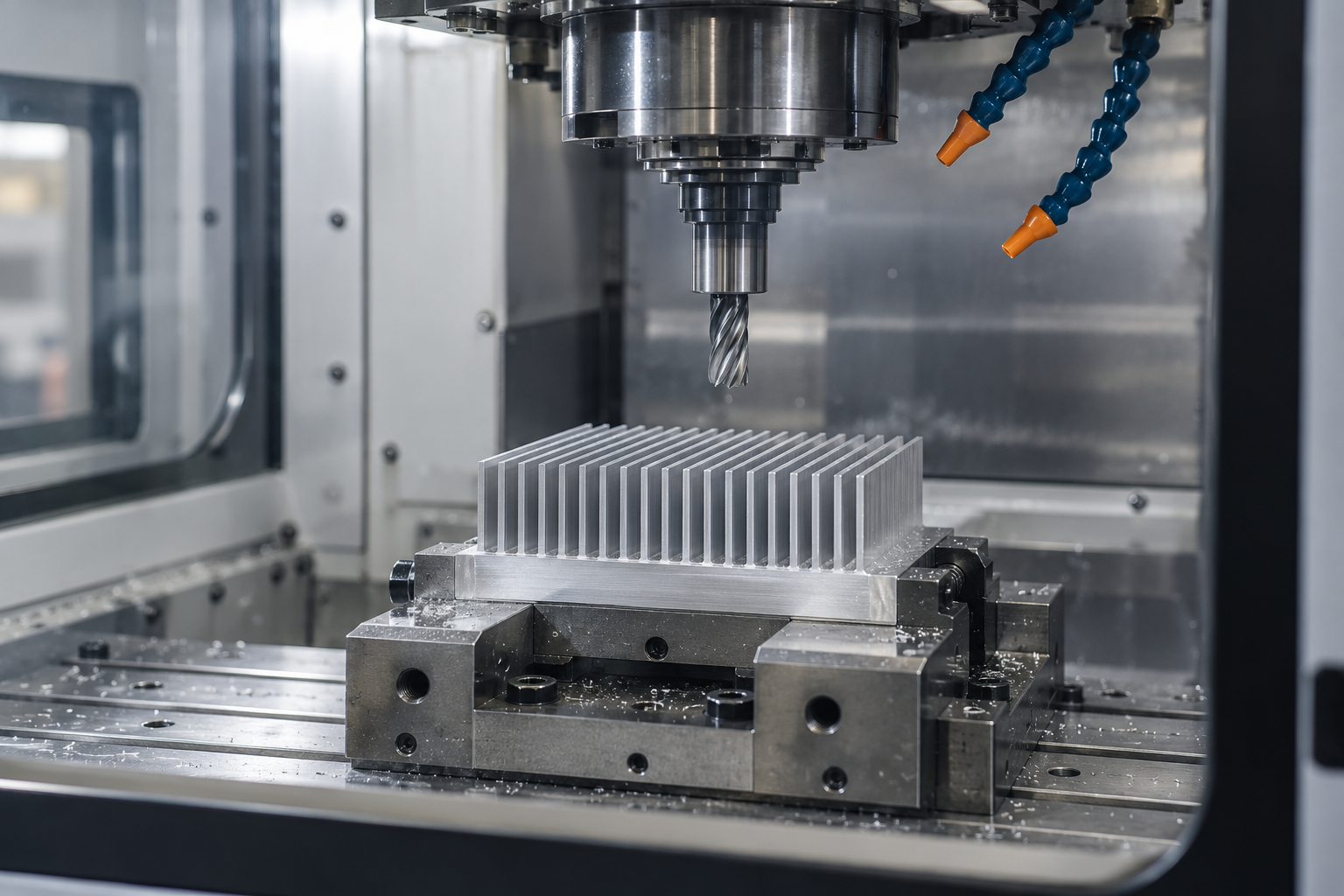
Clean modern CNC machining center workshop with precision aluminum heat sink milling in machine vise
14 machining centers
4 skiving machines
6,800 m² operations area

Precision Machining

CNC-controlled contact faces, mounting features and critical interfaces follow approved drawings and inspection datums.

Fin & Two-Phase Assembly

Skived fins, fin stacks and heat pipe assemblies use controlled geometry, joints and positioning fixtures.

Liquid Cooling Assembly

Channel cleanliness, port interfaces, joining quality and sealing are managed before final pressure and leak tests.

Specialist Process Control

Extrusion, forging, casting, brazing, friction stir welding and selected finishes use qualified partners with incoming verification.

Check manufacturability before committing to a production route.

Discuss Manufacturing Options

Prove the Performance. Trace the Result

A useful thermal result includes the conditions behind it, while production acceptance follows controlled drawings, critical features and test records.

Check 01

Defined thermal tests

Record source size, effective heat load, inlet temperature, installed airflow or coolant flow, and sensor positions. Liquid reports include plate pressure drop.

Check 02

Critical interface inspection

Inspect mounting features, contact surfaces, threads and assembly dimensions against the approved drawing and control plan.

Check 03

Individual cold plate checks

Standard 0.3 MPa-rated designs receive a 0.6 MPa hydrostatic proof test for 10 minutes, followed by cleaning, drying and final gas leak inspection.

Check 04

Batch traceability

Connect material lot, work order, drawing revision and inspection records. Retain traceability records for five years.
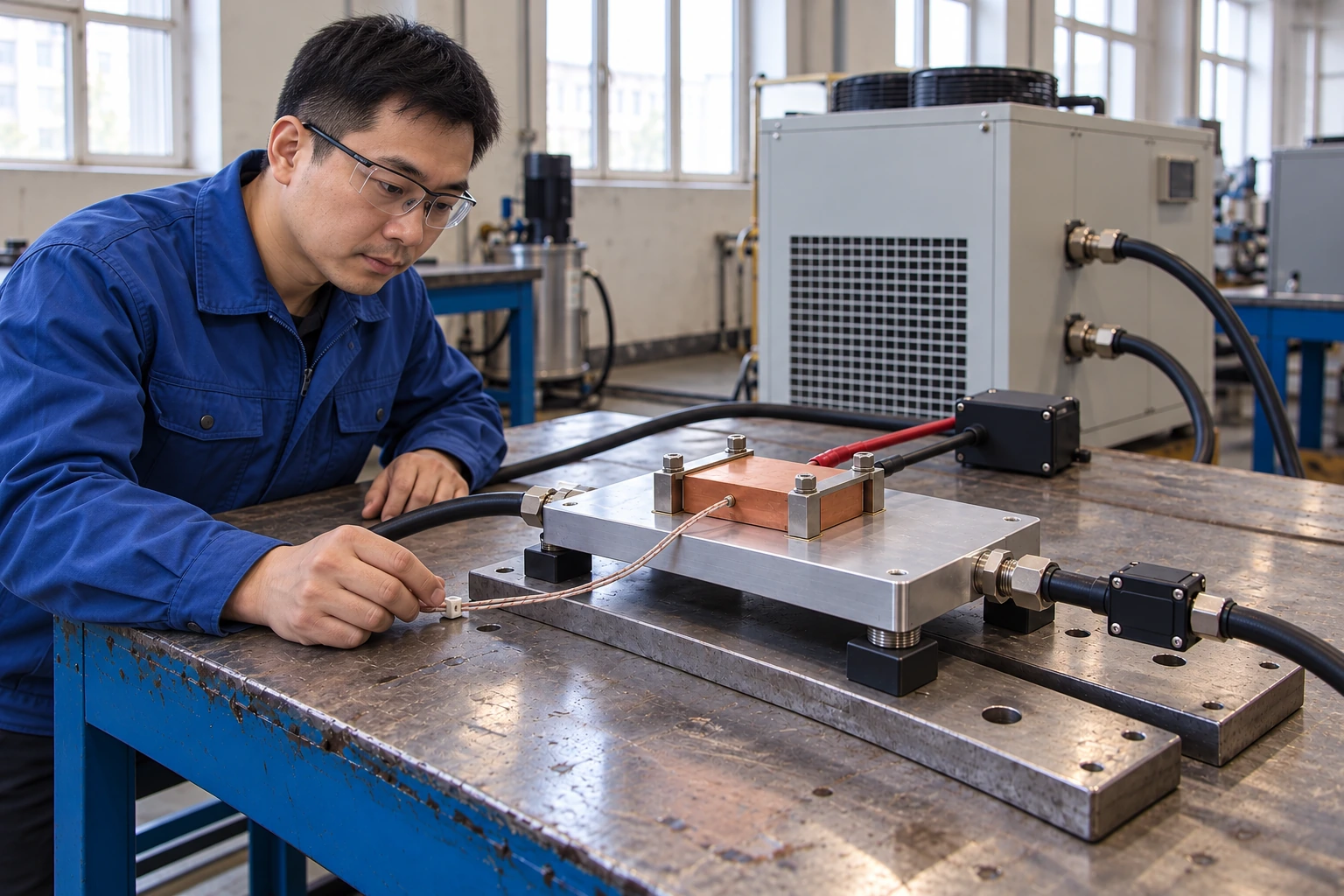
Thermal test engineer preparing a thermocouple lead check beside a supported cold plate test fixture
Material records
First Article Inspection
Thermal & leak test records
Certificate of Conformity

Define the evidence your engineering and quality teams need.

Plan My Validation Package

Cooling for the Equipment You Build

Thermal hardware is matched to the heat source, operating environment and service expectations of each equipment platform.

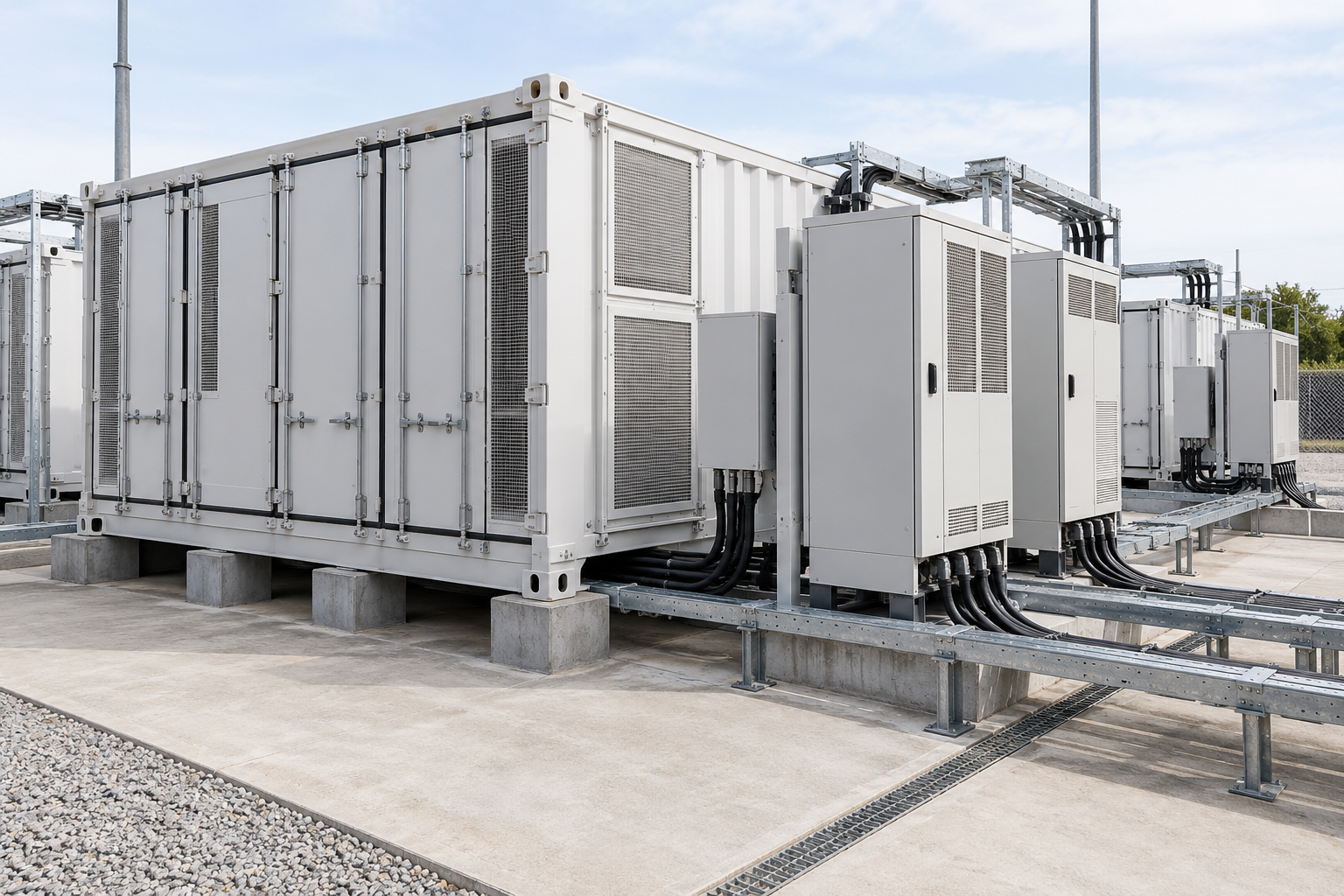
Energy Storage & EV Charging installation showing thermal management enclosure scale

Energy Storage & EV Charging

Liquid and hybrid cooling for PCS and charging power modules. Review flow distribution, coolant compatibility and maintainable connections.
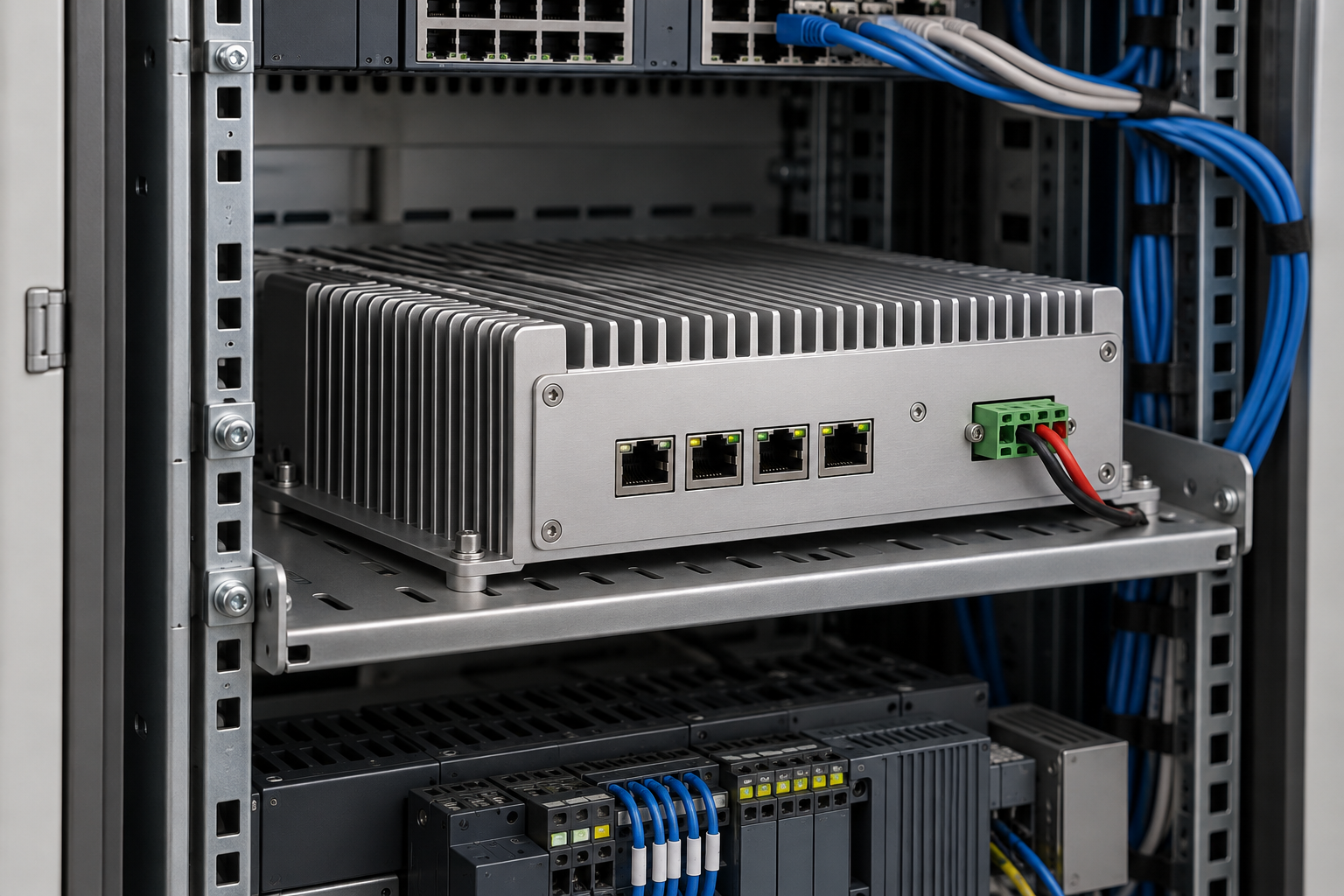
Telecommunications & Industrial Computing rackmount thermal enclosure and heat sink design

Telecommunications & Industrial Computing

Heat pipe assemblies, vapor chambers and thermal enclosures for compact platforms. Manage offset hotspots, restricted airflow and mechanical integration.
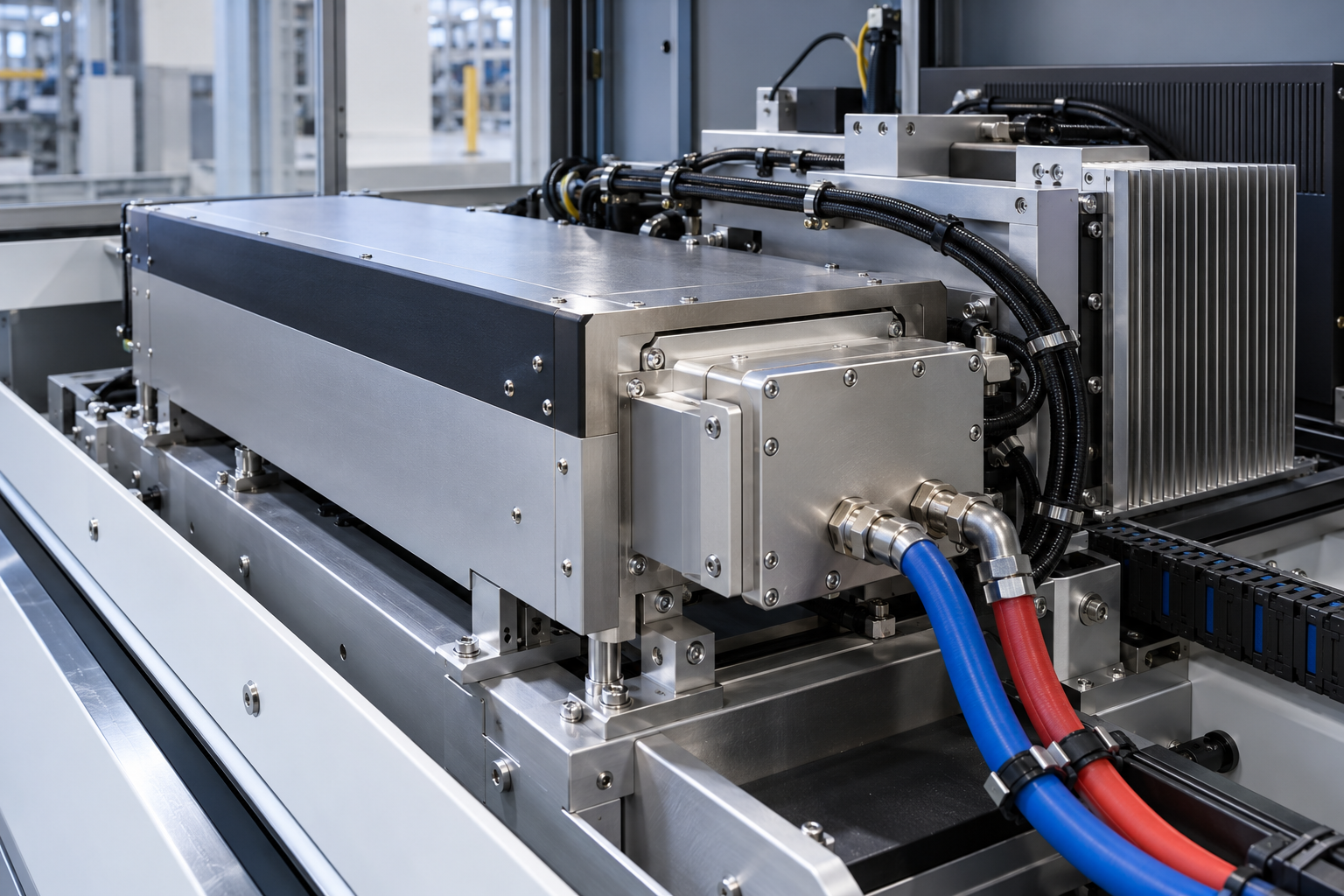
Laser & Precision Equipment cooling subassembly with precision cold plate and fluid hoses

Laser & Precision Equipment

Cold plates and precision interfaces for laser sources and imaging systems. Balance temperature stability, pressure drop and service access.

Tell us how your equipment operates, and where heat becomes a constraint.

Discuss My Application

Engineering Outcomes You Can Evaluate

Selected projects connect the thermal problem, design choice and measured result, so your team can judge relevance to its own operating conditions.

Server Power Supply • Germany
12.5 K lower base hotspot

C1100 skived copper with a controlled interface and improved inlet guidance reduced base-to-inlet-air thermal resistance from 0.23 to 0.18 K/W.

Test Conditions
250 W; 30 × 30 mm source; inlet air 25 °C; installed airflow 60 m³/h; 100 × 100 × 35 mm envelope.
Initial delivery: 1,200 units
Telecom Power Module • Singapore
0.098 K/W base-to-inlet-air

Eight 8 mm copper-water heat pipes spread an offset heat source across an aluminum fin stack.

Test Conditions
450 W; 60 × 60 mm source; inlet air 25 °C; 220 m³/h installed airflow; approved orientation; 200 × 250 × 80 mm envelope.
Initial delivery: 500 assemblies
Energy Storage PCS • UAE
23 kPa plate pressure drop

An aluminum microchannel plate achieved 0.024 K/W base-to-inlet-water thermal resistance with a 49 °C base hotspot.

Test Conditions
1,000 W; 80 × 80 mm source; inlet water 25 °C; 10 L/min; 250 × 200 × 20 mm plate.
Initial delivery: 240 plates

Let us define comparable test conditions for your own design.

Review a Similar Project

A Manufacturing Partner for the Whole Product Lifecycle

Engineering support, production planning and export documentation stay connected as your project moves from first samples to recurring orders.

86
People across engineering, quality, production and customer support
240,000
Finished thermal components and assemblies in annual baseline capacity
1–5
Typical first-round paid engineering sample quantity
5 years
Retention of batch traceability records

One accountable team

We assign one project owner to coordinate technical questions, delivery schedules, quality records and approved changes. You can review our manufacturing and inspection processes through a factory visit or live video audit.

Planned repeat supply

Rolling forecasts, staged deliveries and agreed inventory arrangements support mature part numbers.

OEM, EMS & Brand Supply

We supply to approved drawings, BOMs and customer part numbers, with agreed labels, barcodes, branded packaging and English technical and export documents.

Align your sample plan, annual demand and delivery requirements early.
Discuss My Supply Plan

A Clear Path from Requirement to Repeat Supply

Each stage ends with an agreed output, keeping engineering decisions, drawing revisions and purchasing expectations aligned.

STAGE 01

Requirements & Feasibility

Share drawings or heat load, source size, temperature target, airflow or coolant flow, available space and annual demand.

Stage Output A defined technical scope and feasibility feedback.
STAGE 02

Design & Quotation

Review the cooling route, DFM, materials, interfaces and test plan. Straightforward drawing-based quotes typically take 2–3 working days after complete inputs; complex designs require 5–7.

Stage Output A proposed design, cost structure and schedule.
STAGE 03

Samples & Validation

Manufacture the agreed sample quantity and verify critical dimensions and thermal conditions. Conventional drawing-based samples typically take 10–20 working days after drawing freeze.

Stage Output Samples, FAI and agreed test records.
STAGE 04

Approval & Production

Freeze the drawing, approved sample, control plan, packaging and delivery schedule.

Stage Output Repeatable production with controlled revisions and traceable shipments.
A useful first conversation starts with the information you already have.
Start My Project Review

Answers Before Your First Design Review

Practical details to help engineering, purchasing and quality teams prepare an effective thermal project enquiry.
What information do you need for a custom design?
Share your heat load and duty cycle, source footprint, maximum base temperature, available envelope, mounting interfaces, airflow or coolant conditions and expected annual volume. A STEP model and marked PDF drawing help us review the interfaces.
Can you manufacture from our drawings or develop the design with us?
Yes. We support build-to-print manufacturing, DFM review and joint development from thermal requirements. Materials, tolerances, finishes, acceptance criteria and drawing ownership are agreed before release.
What are the sample quantity and production MOQ?
Paid engineering samples start from one piece, with 1–5 common for the first round. Typical production MOQs are 50–100 pieces for extruded, skived and board-level heat sinks, and 20–50 for heat pipe, vapor chamber and cold plate assemblies. Large bonded-fin and hybrid liquid-cooled assemblies typically start at 10–20 pieces. Cold-forged and die-cast parts with new tooling typically require 500–1,000 pieces. Final MOQ depends on product complexity and available tooling.
How do you test liquid cold plates?
We define thermal and pressure-drop tests for the actual source and coolant conditions. Standard industrial plates receive individual hydrostatic proof and final gas leak checks, with test values tied to the approved design and rated pressure.
Which technical and quality documents can you provide?
Project packages can include 2D/3D drawings, DFM feedback, BOM, FAI, material records, thermal curves, pressure-drop data, leak records and CoC. PPAP, specialist tests and third-party reports are scoped separately.
How do you control changes after sample approval?
Approved drawings, materials, work instructions and control plans share a controlled revision. Key material, supplier, process or test changes require engineering review and customer approval through the ECN process.
Have a requirement that is not covered here?
Ask Our Engineering Team
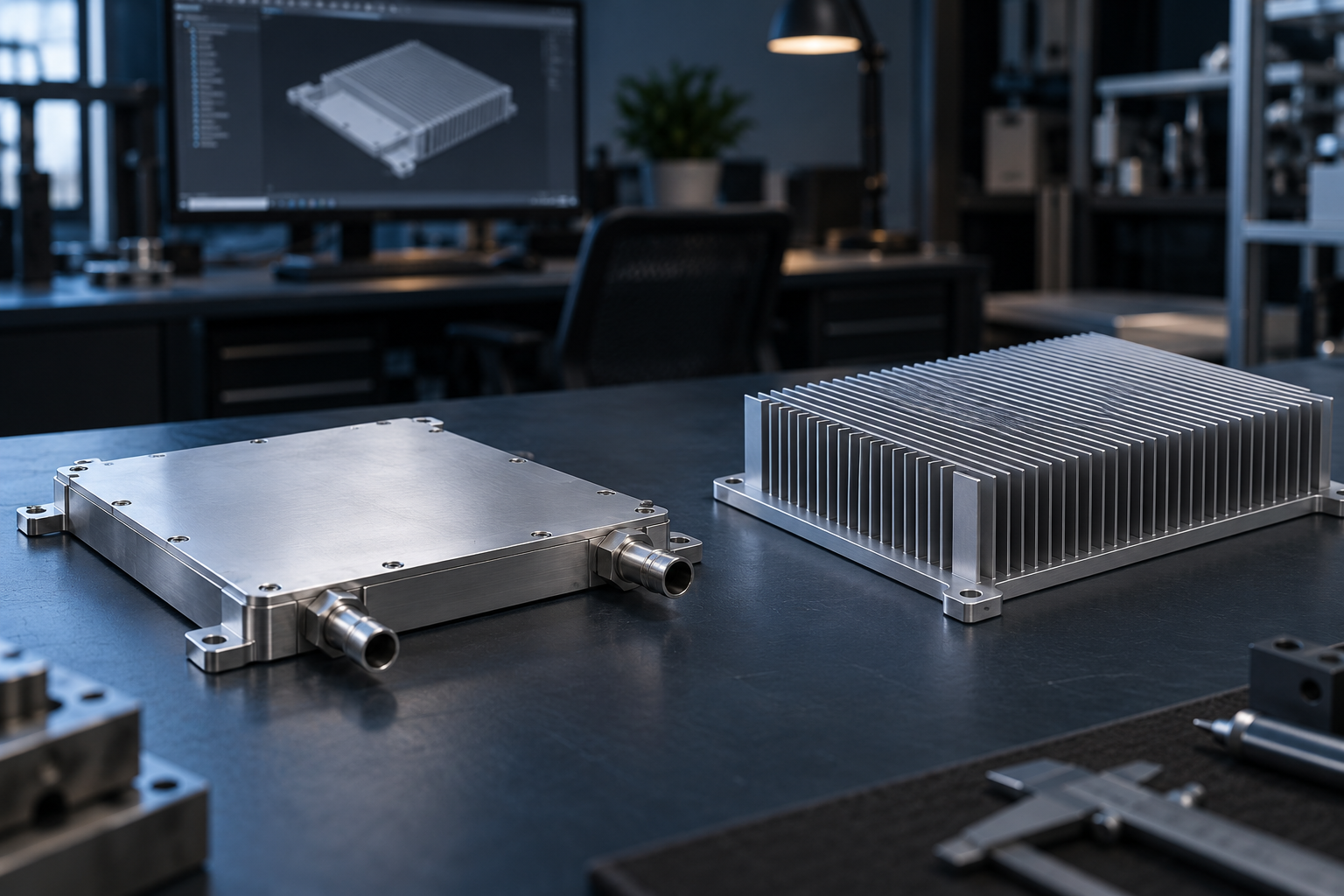
Thermal engineering workspace with cold plates and heat sinks

Let’s Build the Right Thermal Solution

Tell us what you are cooling and what your equipment needs to achieve. Our team will help define the next engineering step.

Air, two-phase and liquid cooling options
Thermal and mechanical design review
Paid samples from one piece
Defined validation and quality records
One project contact through production

Tell Us About Your Project

Your project information stays confidential. We provide an initial response within one working day.